
Cracks developing in walls are a common issue in residential, commercial, and industrial buildings. These wall cracks may appear in new construction or older structures and can range from harmless hairline cracks to serious structural cracks that threaten building safety. Understanding the reasons behind wall cracking, identifying different crack types, and applying correct repair solutions is essential for long-term structural stability.
This SEO-optimized guide explains cracks developing in walls in detail, including causes, types, warning signs, repair methods, prevention techniques, and commonly asked questions. The article is enriched with relevant LSI keywords such as wall cracking causes, structural wall cracks, foundation settlement cracks, plaster cracks, concrete wall cracks, brick wall cracks, wall crack repair, and building structural problems.
What Are Cracks Developing in Walls?
Cracks developing in walls refer to visible fractures, lines, or separations that form on wall surfaces due to internal or external stress. These cracks can occur in brick walls, concrete walls, cement block walls, plaster walls, and drywall systems. Wall cracks may appear vertically, horizontally, diagonally, or in stair-step patterns depending on the underlying cause.
While minor wall cracks are often cosmetic, major cracks may indicate foundation problems, load-bearing wall damage, or structural movement that should not be ignored.
Main Causes of Cracks Developing in Walls
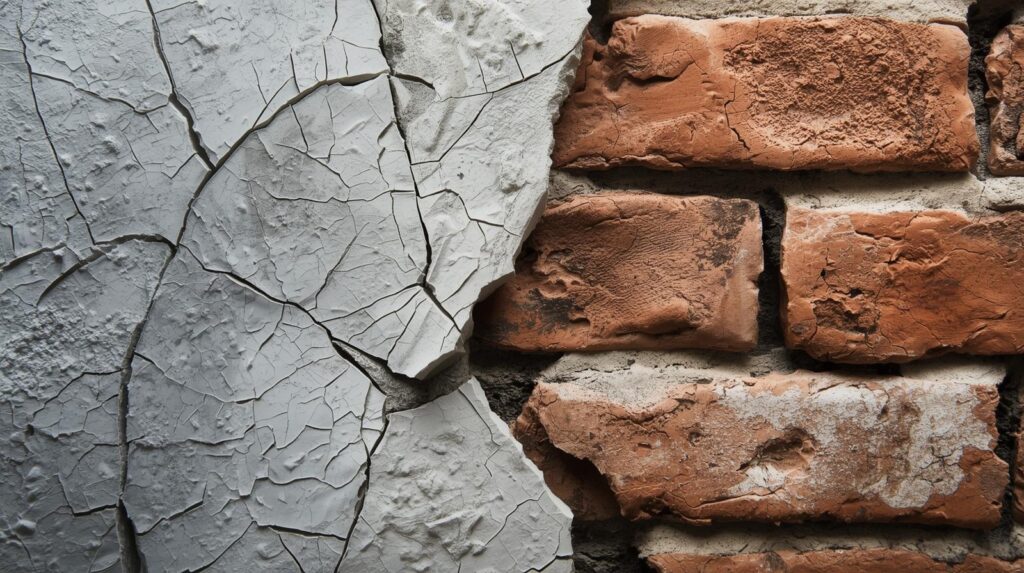
Understanding wall crack causes helps in selecting the correct repair method and preventing future damage.
1. Foundation Settlement and Soil Movement
One of the most common reasons for cracks developing in walls is foundation settlement. When soil beneath the foundation expands, shrinks, or shifts, it causes uneven movement that leads to foundation cracks and wall stress fractures.
2. Poor Construction Practices
Low-quality materials, weak concrete mix, incorrect cement-to-sand ratio, poor workmanship, and lack of proper curing often result in early wall cracking, especially in new buildings.
3. Temperature Changes and Thermal Expansion
Walls expand and contract due to temperature variations. Without expansion joints, this thermal movement leads to plaster cracks and surface wall cracks over time.
4. Moisture Infiltration and Water Seepage
Water penetration weakens plaster and masonry. Continuous moisture exposure causes dampness-related cracks, peeling paint, and wall deterioration.
5. Structural Overloading
Adding extra floors, rooftop water tanks, heavy machinery, or renovations without structural redesign can create load-bearing wall cracks.
6. Shrinkage of Concrete and Plaster
Concrete and plaster naturally shrink as they dry. Improper curing accelerates shrinkage, causing hairline cracks in walls and ceilings.
7. Vibrations and Seismic Activity
Earthquakes, nearby construction, heavy traffic, or machinery vibrations can lead to structural wall cracks and joint separation.
Types of Cracks Developing in Walls
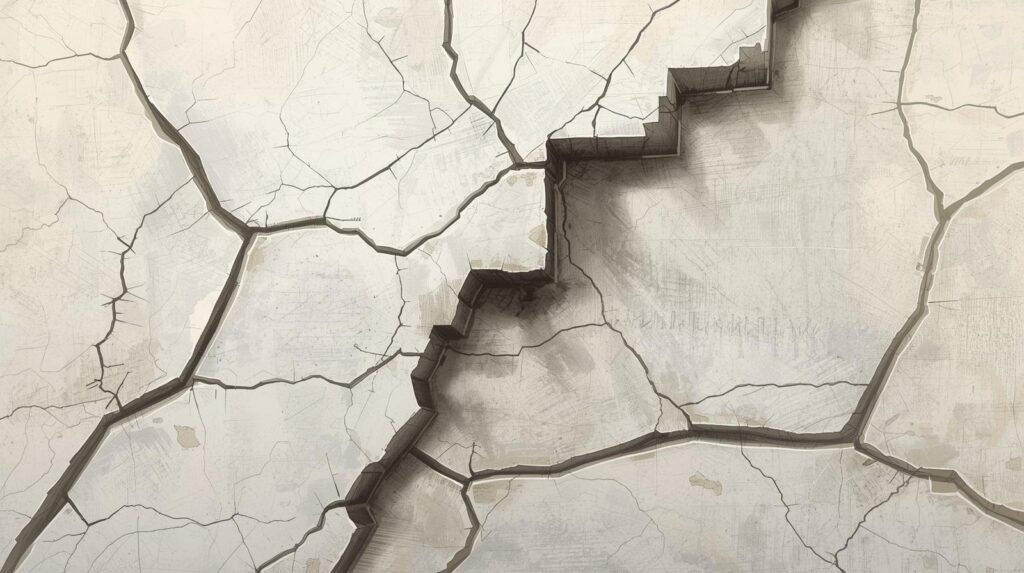
Identifying the type of wall crack helps assess the severity of damage.
1. Hairline Wall Cracks
Hairline cracks are thin surface cracks usually found in plaster. They are often caused by shrinkage, temperature changes, or minor settlement and are mainly cosmetic.
2. Vertical Wall Cracks
Vertical cracks commonly result from foundation settlement or concrete shrinkage. Small vertical cracks are usually non-structural but should be monitored.
3. Horizontal Wall Cracks
Horizontal cracks are more serious and may indicate excessive soil pressure, water damage, or structural failure. Immediate inspection is recommended.
4. Diagonal Cracks Near Doors and Windows
Diagonal cracks often appear around openings due to uneven load distribution or foundation movement.
5. Stair-Step Cracks in Brick Walls
Stair-step cracks following mortar joints are common in brick masonry and usually indicate foundation settlement or soil instability.
6. Structural Cracks
Wide cracks (more than 5 mm), cracks that continue to grow, or cracks causing wall displacement are considered serious structural cracks.
How to Identify Dangerous Wall Cracks
Not all wall cracks require urgent repair, but the following signs indicate potential structural damage:
- Wide cracks exceeding 5 mm
- Rapidly expanding cracks
- Horizontal or stair-step cracks
- Cracks with wall bulging or separation
- Doors and windows becoming misaligned
- Water leakage through wall cracks
If these symptoms appear, consult a structural engineer or building expert immediately.
Wall Crack Repair Methods
Choosing the right wall crack repair solution depends on crack size, depth, and cause.
1. Hairline Crack Repair
- Clean the crack area
- Apply wall crack filler, white cement, or acrylic putty
- Smooth the surface
- Sand and repaint after drying
2. Medium Crack Repair
- Open the crack slightly using a chisel
- Remove loose plaster
- Apply polymer-modified mortar or crack repair compound
- Finish with plaster and paint
3. Structural Crack Repair
- Identify the root cause of cracking
- Use epoxy injection, cement grouting, or steel reinforcement
- Strengthen the affected area
- Professional structural assessment is required
4. Waterproofing Cracked Walls
- Seal exterior wall cracks
- Apply waterproof coatings or membranes
- Fix drainage and moisture issues
Prevention of Cracks Developing in Walls
Preventive construction practices reduce long-term wall cracking:
- Use high-quality construction materials
- Design a strong and stable foundation
- Maintain proper cement and concrete mix ratios
- Ensure adequate curing of concrete and plaster
- Provide expansion joints
- Install proper drainage systems
- Avoid overloading structural walls
Cracks Developing in Walls in New Buildings
Cracks in newly constructed buildings are often shrinkage or initial settlement cracks. These are usually harmless but should be observed. Persistent or widening cracks may indicate construction defects.
Cost of Repairing Cracks in Walls
The wall crack repair cost depends on severity:
- Hairline cracks: Low cost
- Medium plaster cracks: Moderate cost
- Structural wall cracks: High cost due to engineering work
Early detection significantly reduces repair expenses.
FAQs About Cracks Developing in Walls
What are the main wall cracking causes?
Common causes include foundation settlement, moisture damage, poor construction quality, thermal expansion, and structural overloading.
Are cracks in walls normal?
Small hairline cracks are normal, especially in new buildings. Large or growing cracks are not normal.
How to fix cracks developing in walls permanently?
Permanent repair requires identifying the root cause and using proper materials such as epoxy injection, polymer mortar, or reinforcement.
When should wall cracks be a serious concern?
When cracks are wide, horizontal, growing, or affecting doors and windows, immediate inspection is necessary.
Conclusion
Cracks developing in walls should never be overlooked. While some wall cracks are minor cosmetic issues, others may indicate serious building structural problems. Proper diagnosis, timely repair, and preventive construction techniques ensure the safety, durability, and value of any building.
Regular inspections and professional guidance are strongly recommended if wall cracks continue to develop or worsen over time.